

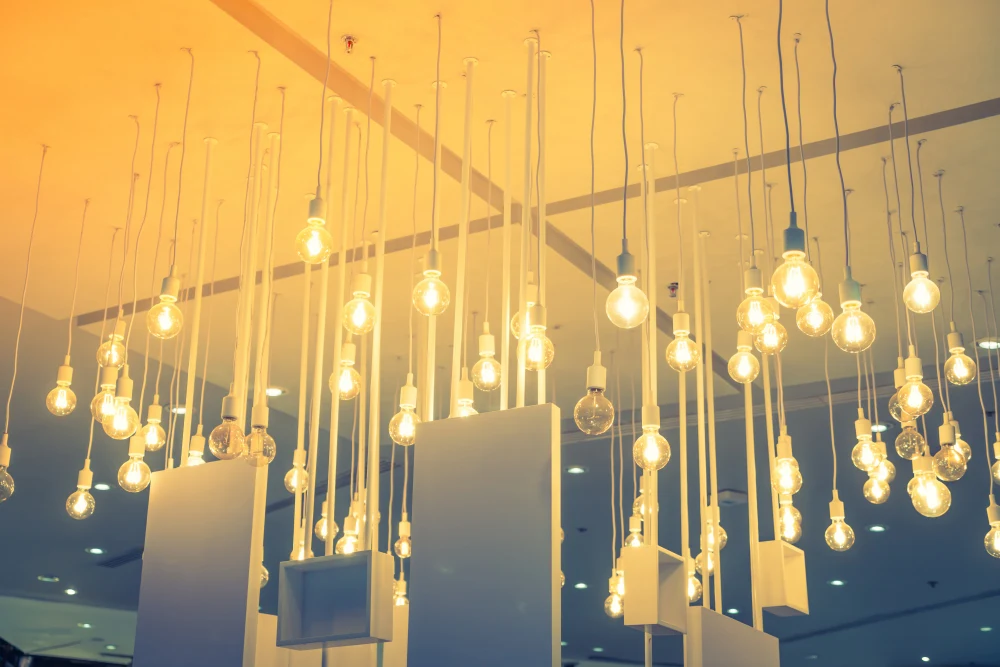
Top Lighting Trends Designers Are Using in 2026

Explore the top lighting trends shaping interior design in 2026. From seamless architectural lighting and adaptable smart controls to human-centric, high-performance, and sustainable solutions, modern lighting is becoming more intelligent, comfortable, and experience-driven. Discover how designers are using light to transform the way spaces look, feel, and function.
It’s no longer about choosing beautiful lights. It’s about designing beautiful experiences.
For years, lighting was treated as the finishing touch of a project. Furniture came first. Colours came next. Lighting was added at the end.
That approach is changing.
In 2026, designers are planning lighting from the very beginning because they know one simple truth: light has the power to completely change how a space looks, feels, and functions.
The latest trends are not about following fashion. They reflect a shift towards spaces that are more adaptable, more comfortable, and more human-centric.
Here’s what’s shaping modern interiors today and why it matters.
Architectural Lighting That Blends into the design
The most luxurious lighting is often the least noticeable.
Instead of bulky fixtures dominating the ceiling, designers are integrating lighting into the architecture itself. Clean lines, concealed profiles, recessed details, and minimalist forms allow the space to become the focal point.
When the source of light blends seamlessly into the design, the architecture speaks louder. The result feels timeless rather than trendy.
Lighting That Adapts to Every Mood and Moment
Homes today serve many purposes.
The living room becomes a workspace during the day, an entertainment zone in the evening, and a place to unwind at night.
Instead of installing separate lighting for every activity, designers are creating spaces that adapt with a single touch. Dimming, tunable white lighting, and customised lighting scenes allow the same room to feel completely different throughout the day.
The trend isn’t automation. The trend is adaptability.
Why Better Lighting Matters More Than Brighter Lighting
One of the biggest misconceptions in lighting is that more brightness creates better spaces.
Designers are moving away from excessive illumination and focusing on lighting only
where it adds value. Carefully controlled light creates contrast, depth, and visual comfort while allowing materials, textures, and architecture to stand out naturally.
Good lighting doesn’t eliminate shadows. It uses them intentionally.
Human-Centric Lighting is Shaping Modern Interiors
Lighting is no longer designed only for interiors. It’s being designed for people.
More designers are considering how colour temperature and light intensity influence focus, relaxation, productivity, and overall comfort. Spaces are being planned with lighting that
changes throughout the day, supporting natural rhythms instead of working against them.
Today, exceptional lighting is expected to do:
deliver outstanding energy efficiency while enhancing the way people experience and interact with a space.
Smarter Lighting Control for Everyday Living
Technology is becoming more powerful, but the experience is becoming simpler.
Today’s lighting systems go far beyond basic on-and-off controls. Designers are integrating intuitive solutions such as handheld remotes, scene controllers that instantly transform the ambience, voice-controlled lighting, and app-based controls that allow users to manage their entire lighting system from anywhere.
Whether it’s switching from a bright workspace to a relaxed evening setting with a single tap or adjusting lights through a simple voice command, technology is making lighting feel
effortless rather than complicated.
The goal isn’t to add more controls, it’s to make every interaction simpler, faster, and more intuitive. The best technology quietly adapts to your lifestyle, allowing the space to respond naturally to the way you live.
Why Lighting Performance is as Important as Design
Beautiful lighting means very little if it fails to perform.
Architects and interior designers are paying closer attention to factors such as glare control, colour rendering, beam precision, lumen efficiency, and product reliability. These technical details influence how comfortable a space feels and how accurately colours and materials appear.
The most successful projects combine aesthetics with engineering. Great lighting should perform as beautifully as it looks.
Sustainable Lighting is the Future of Interior Design
Sustainability is no longer an added feature, it is becoming a design principle.
Designers are choosing lighting systems that consume less energy, last longer, and remain
adaptable as spaces evolve. Instead of replacing entire installations, modular and future-ready solutions allow interiors to change without unnecessary waste.
The smartest lighting decisions are those that continue to add value for years to come.
What These Lighting Trends Really Tell Us
If there’s one lesson from 2026, it’s this:
Lighting is no longer being treated as a product.
It is being recognised as one of the most influential elements in interior design.
It affects how architecture is perceived, how materials are experienced, how productive people feel, and how comfortable they become within a space.
The role of lighting has expanded from illumination to transformation. And that is why these trends matter.
The Litomatic Perspective
At Litomatic, we believe meaningful trends are not those that simply look modern, they are the ones that genuinely improve the way people experience a space.
By combining thoughtful design, architectural lighting precision, and intelligent lighting technology, we create solutions that remain relevant long after trends evolve.
Because the future of lighting isn’t about adding more light. It’s about using light more intelligently.